
First Time Pressing Vinyl? Read This First.
Pressing a vinyl record for the first time can feel overwhelming, but it doesn't have to be.
If you're preparing your first release, you'll need to think about more than just your music. Vinyl has different audio requirements than streaming, you'll need artwork built for print, you'll choose a record size and speed, and you'll decide which packaging options fit both your vision and your budget.
This guide walks through the seven biggest decisions every first-time artist should make before placing a vinyl pressing order.
1. Can I Use My Spotify Master for Vinyl?
Usually not. Music mastered for streaming often needs adjustments before it performs its best on vinyl because records have physical limitations that affect bass, stereo width, high frequencies and playback level.
One of the most common misconceptions: if your music sounds great on Spotify, it’s ready for vinyl.
Not necessarily.
Vinyl is a physical medium, which means audio behaves differently than it does in digital formats. Certain frequency ranges, stereo information, excessive loudness, and sequencing choices can all affect playback quality.
The good news: you don’t need to become an audio engineer.
Every Object Permanence package includes an audio inspection and optimization pass by our team to help ensure your record sounds as strong as possible on vinyl. We work with exceptional audio engineers with nearly 30 years of experience in sound and production.
If your release needs deeper vinyl-specific mastering, we can help coordinate that too for a fee per song.
2. What Record Size and Speed Should I Choose?
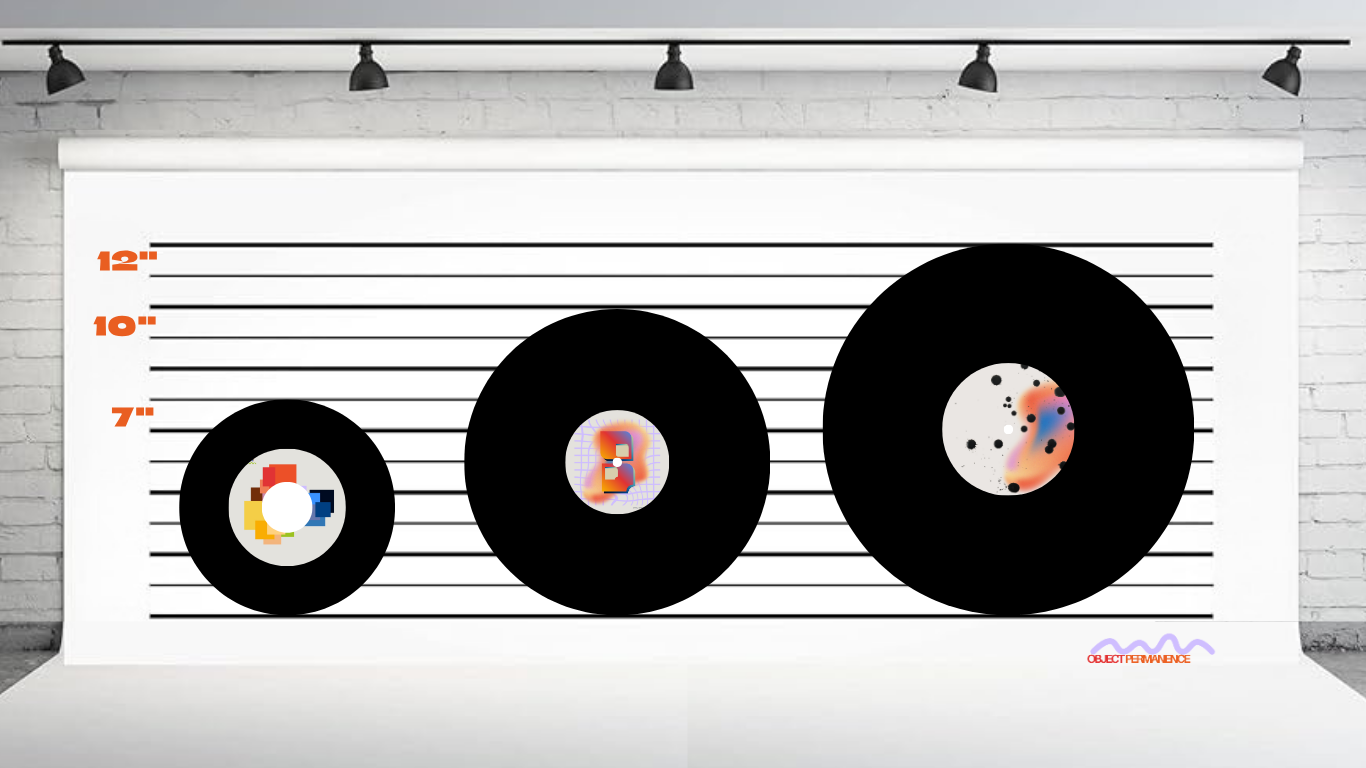
For most first-time releases, we recommend starting with a 12” record.
It offers the most flexibility for runtime, sequencing, packaging options, and overall presentation—which is why it remains the standard for albums, EPs, and premium short-run releases.
That said, smaller formats absolutely have their place.
Then there’s speed.
33 RPM is the standard for longer releases and maximum runtime.
45 RPM offers louder, cleaner, more detailed playback, but with less available time per side.
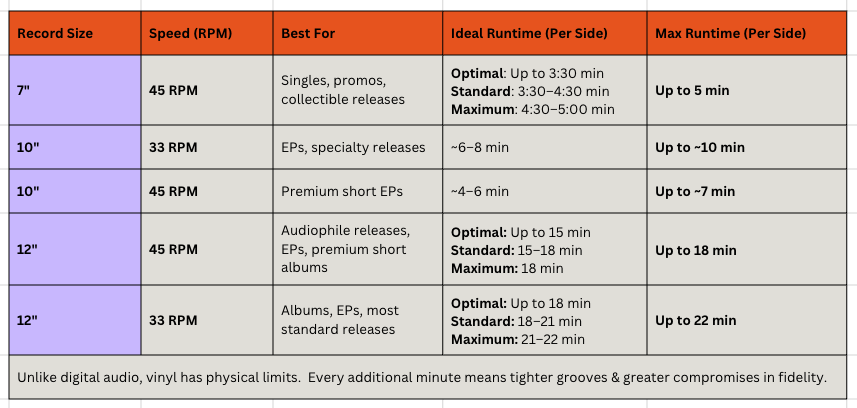
A quick rule of thumb: Staying within the ideal runtime gives your cutting engineer more room to produce a louder, cleaner record with better bass response and less inner-groove distortion. You can often fit more music, but it usually comes with tradeoffs in playback quality.

3. Is 180g Vinyl Better Than 140g?
Vinyl weight affects feel, presentation, and perception—but maybe not in the way people assume.
For years, 180g vinyl was considered the industry standard premium option, prized for its heavier feel and added rigidity.
As manufacturing technology has improved and shipping costs have continued to rise, 140g vinyl has become the go-to choice for many indie artists and labels. It’s reliable, cost-effective, sounds excellent, and saves on both material and shipping costs.
180g vinyl still offers that substantial, premium in-hand feel that many artists and collectors love, making it a great fit for deluxe or collector-focused releases.
The right choice depends less on “better” and more on the kind of release you’re creating.
Selling a premium collector’s item? 180g may be worth it.
Making an accessible indie release or keeping shipping costs manageable? 140g may be the smarter fit.
4. What Packaging Do I Need for My Vinyl Record?
Your vinyl record is only part of the experience.
Packaging is where your release becomes an object fans keep, display, gift, and come back to.
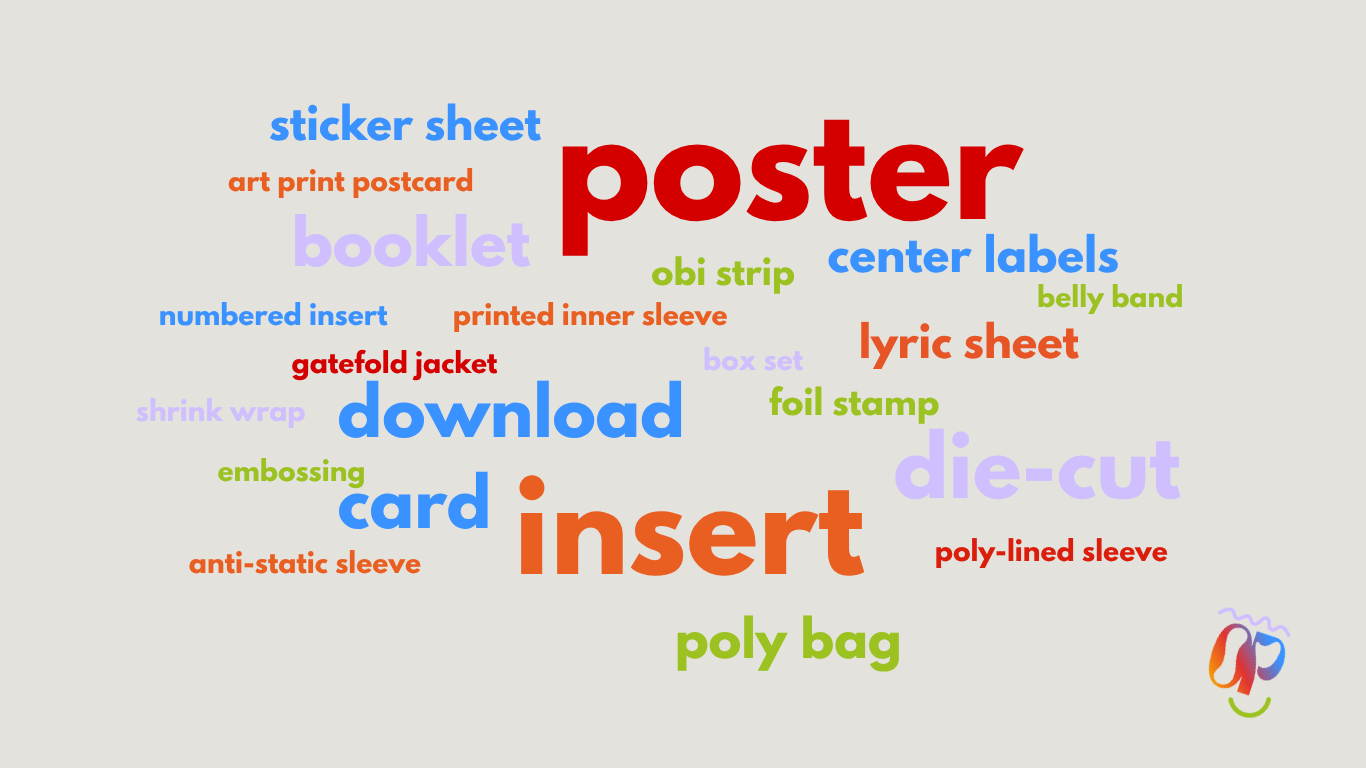
Options can include:
Standard jackets
Gatefold jackets
Printed inserts
Lyric sheets
Obi strips
Download cards
Custom center labels
Protective outer sleeves
Retail-ready UPC barcode printing
Some upgrades dramatically increase perceived value. Some improve function. And at least one makes the difference between a record that looks great on your merch table and one that’s actually ready for retail shelves.
If you’re unsure where to spend, check out our guide to vinyl packaging upgrades that actually make an impact.

5. Do I Need a Test Pressing?
A lot of first-time artists assume a physical test pressing is required. Physical test pressings remain an important quality-control option for many projects, but they aren't necessary for every release. The right choice depends on your goals, budget and timeline.
That standard comes from a pre-digital era, when the only way to verify sequencing, playback, and production quality was to physically hear the record before full manufacturing.
Today, we provide a digital audio approval before stampers are created, allowing you to confirm sequencing, audio flow, and approval before manufacturing begins.
Physical test pressings are still available—but they’re no longer essential for every project.
A few important things to know:
Test pressings are produced in a completely separate production run from your final order
They are black vinyl only
They ship with Object Permanence branded center labels
Because they happen after stamper creation, any requested audio changes after a physical test pressing require the process to restart from the metalwork stage—adding both cost and time
For many projects, digital approval is the fastest, smartest path.
If your goal is to create special collectible items for superfans, a test pressing may not be your best option anyway.
Instead, consider some of the more creative alternatives we offer—like playable record postcards or other limited collectible formats.
6. How Long Does Vinyl Pressing Take?
Even streamlined vinyl manufacturing includes:
Audio prep & approval
Artwork approval
Cutting / mastering prep
Metalwork / stamper creation
Press setup
Production
Quality control
Packaging
Shipping
The good news? If you submit final audio and artwork together using our templates, we can handle multiple early steps in parallel and keep your project moving efficiently.
Need records for a tour, release party, or holiday launch? Planning ahead matters.
Check out our Vinyl Project Checklist: Everything You Need Before We Start to avoid preventable delays—then let us handle the heavy lifting while your records are made right here in the USA.
7. Why Are Vinyl Pressing Quotes So Different?
If you’re shopping around, you may see surprisingly low prices—or services offering “one-off vinyl records.”
These are not the same thing as professionally pressed vinyl.
Many of these novelty products are individually cut into a substrate rather than created through the true pressing process. They can make meaningful keepsakes or one-off gifts, but they are not designed for the durability, fidelity, or lifespan of a professionally manufactured pressed record.
If you’re looking for a genuine vinyl release for sale, distribution, repeated playback, or long-term collection, make sure you’re comparing like for like.
And when comparing manufacturing quotes, ask:
Is mastering included?
Is packaging included?
Is shipping included?
Are overages billed separately?
Are setup or plating fees hidden elsewhere?
Is insurance included?
A cheaper quote isn’t always a cheaper project.
Ready to Press?
Your first vinyl release doesn’t need to be simple—but it should feel clear.
We built Object Permanence to make pressing records more transparent, collaborative, and human.
Explore our vinyl pressing packages or get in touch for a custom quote—we’d love to help bring your release to life.